5 Creative Ways to Enjoy THC-A Without Smoking
For many cannabis enthusiasts, smoking is the most familiar way to consume THC-A. But the world of hemp flower is much broader than rolling a joint or lighting a pre-roll. From homemade infusions to discreet tinctures, there are countless ways to enjoy THC-A without smoking.
At CannaCove, we know that every customer’s lifestyle is unique. Some prefer traditional smoke sessions, while others want to explore cannabis in ways that fit wellness routines, culinary creativity, or non-inhalation alternatives. This article highlights five creative methods to get the benefits of THC-A while skipping the smoke.
1. Infused Edibles: Turning Flower Into Flavor
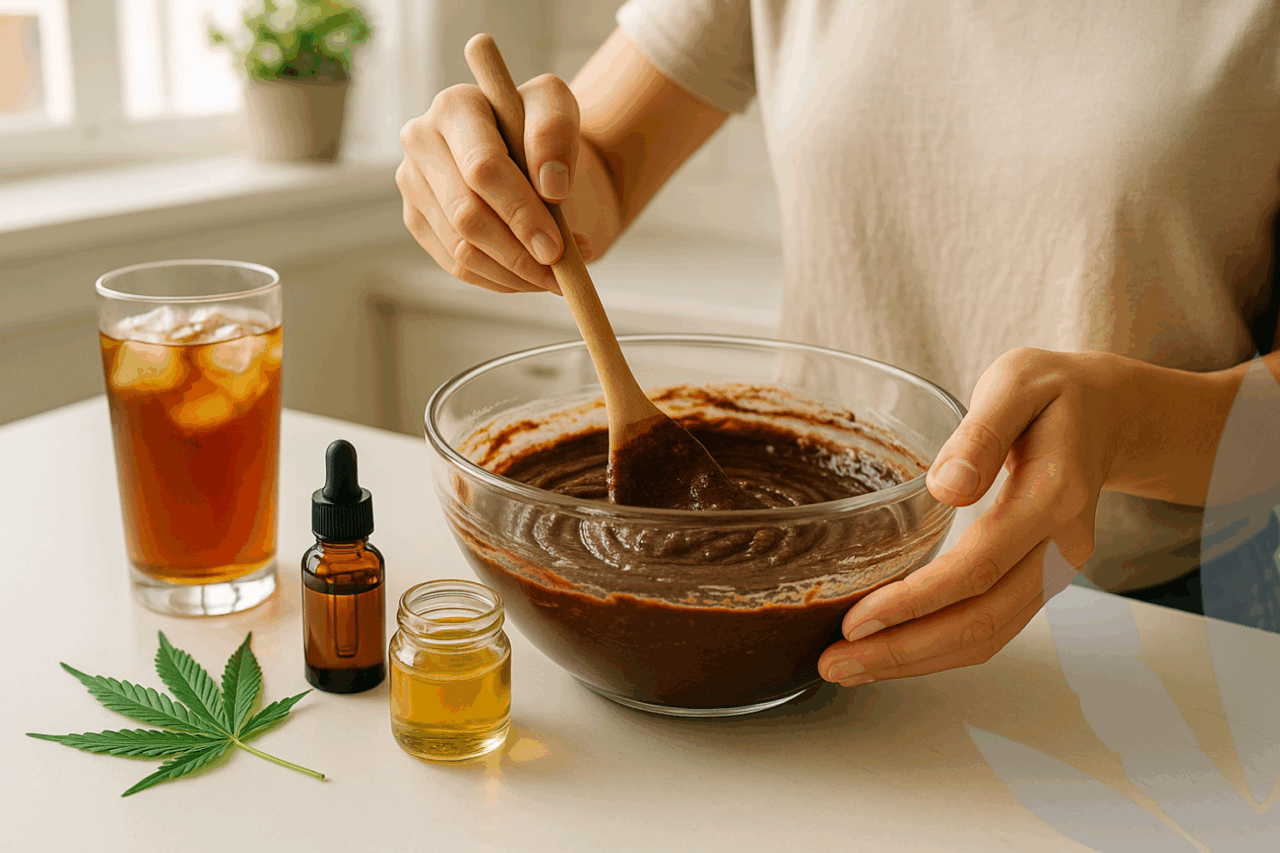
Edibles remain one of the most popular alternatives to smoking, and with good reason. By infusing THC-A into butter, oil, or other carriers, you can transform your favorite recipes into cannabis creations.
How It Works
-
First, decarboxylate your flower (bake gently at ~220°F for 30–40 minutes) to activate THC-A into Delta-9 THC.
-
Next, infuse into butter, coconut oil, or olive oil over low heat.
-
Strain, cool, and you’ve got cannabis butter or oil ready for baking, cooking, or drizzling.
Ideas to Try
-
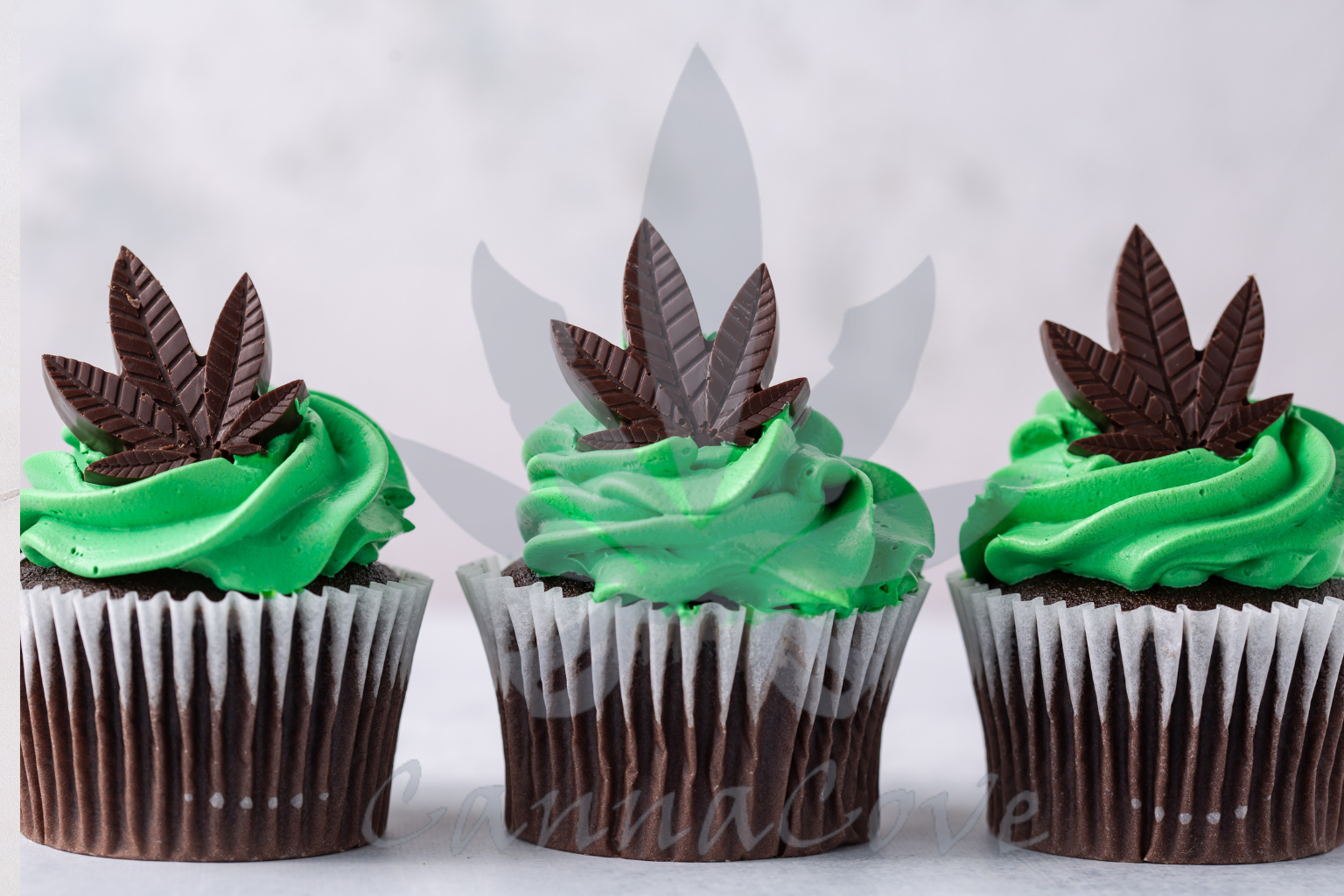
Brownies, cookies, or banana bread with a mellow edge.
-
Infused pasta sauces or salad dressings for gourmet dinners.
-
Homemade gummies or chocolates for precise portioning.
Edibles are discreet, long-lasting, and ideal for those who want THC-A without smoking. Just remember: effects take longer to kick in (30–90 minutes), so always start low and go slow.
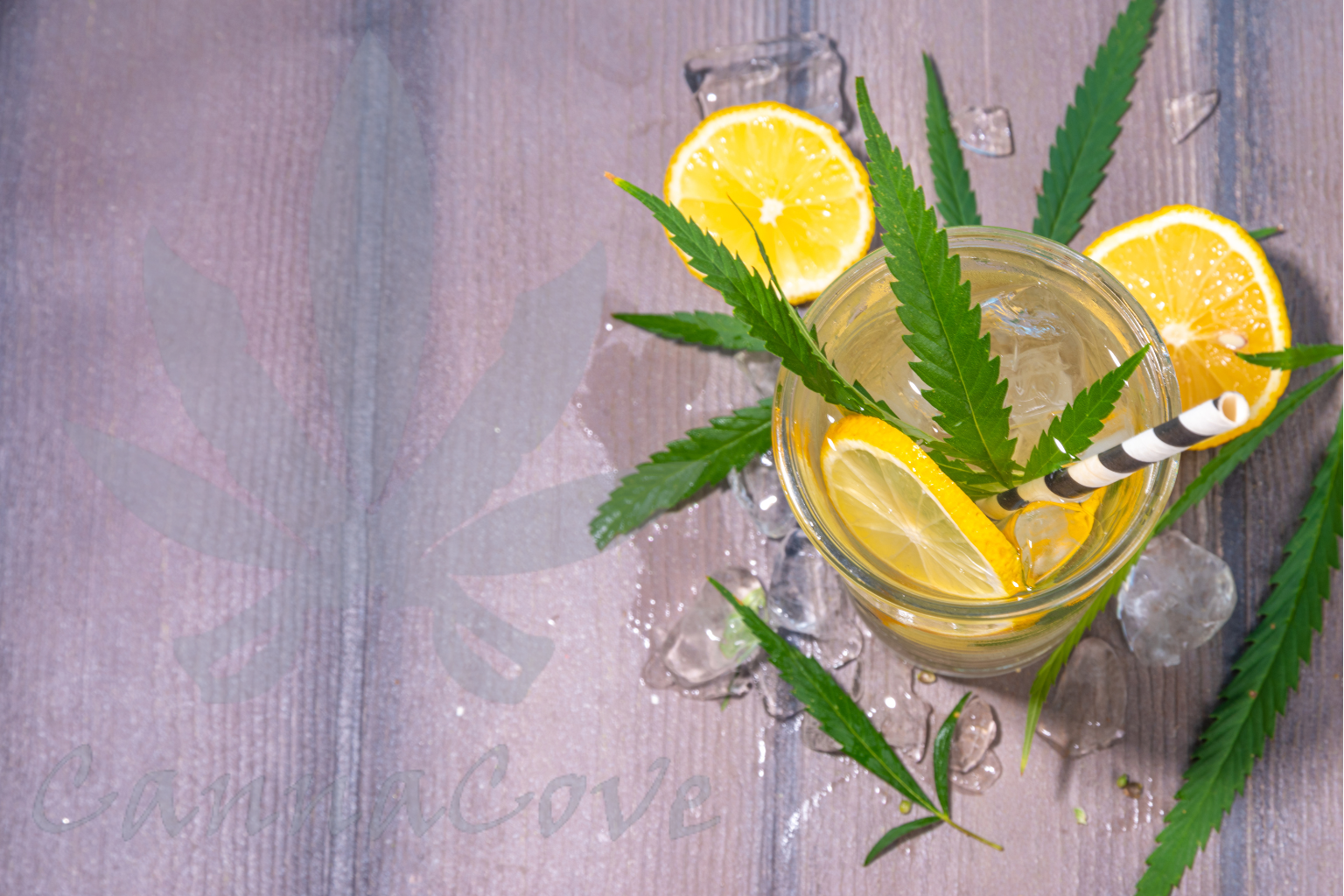
2. DIY Beverages: THC-A in Your Cup
Cannabis beverages are gaining popularity as an alternative to alcohol, and with a little DIY effort, you can craft your own at home.
Infusion Options
-
Tea & Coffee: Add decarboxylated flower to hot milk, cream, or coconut oil before mixing into your drink. The fat helps cannabinoids bind.
-
Smoothies: Blend infused coconut oil into a fruit smoothie for a discreet kick.
-
Mocktails: Create infused simple syrups to add to lemonades, iced teas, or craft cocktails without alcohol.
Why It Works
Beverages allow precise dosing and can be as light or strong as you prefer. Plus, they’re versatile — you can start your morning with a THC-A latte or wind down with a calming infused herbal tea.
For anyone exploring THC-A without smoking, drinks are one of the most social and shareable options.
3. Tinctures: A Discreet, Dropper-Based Option
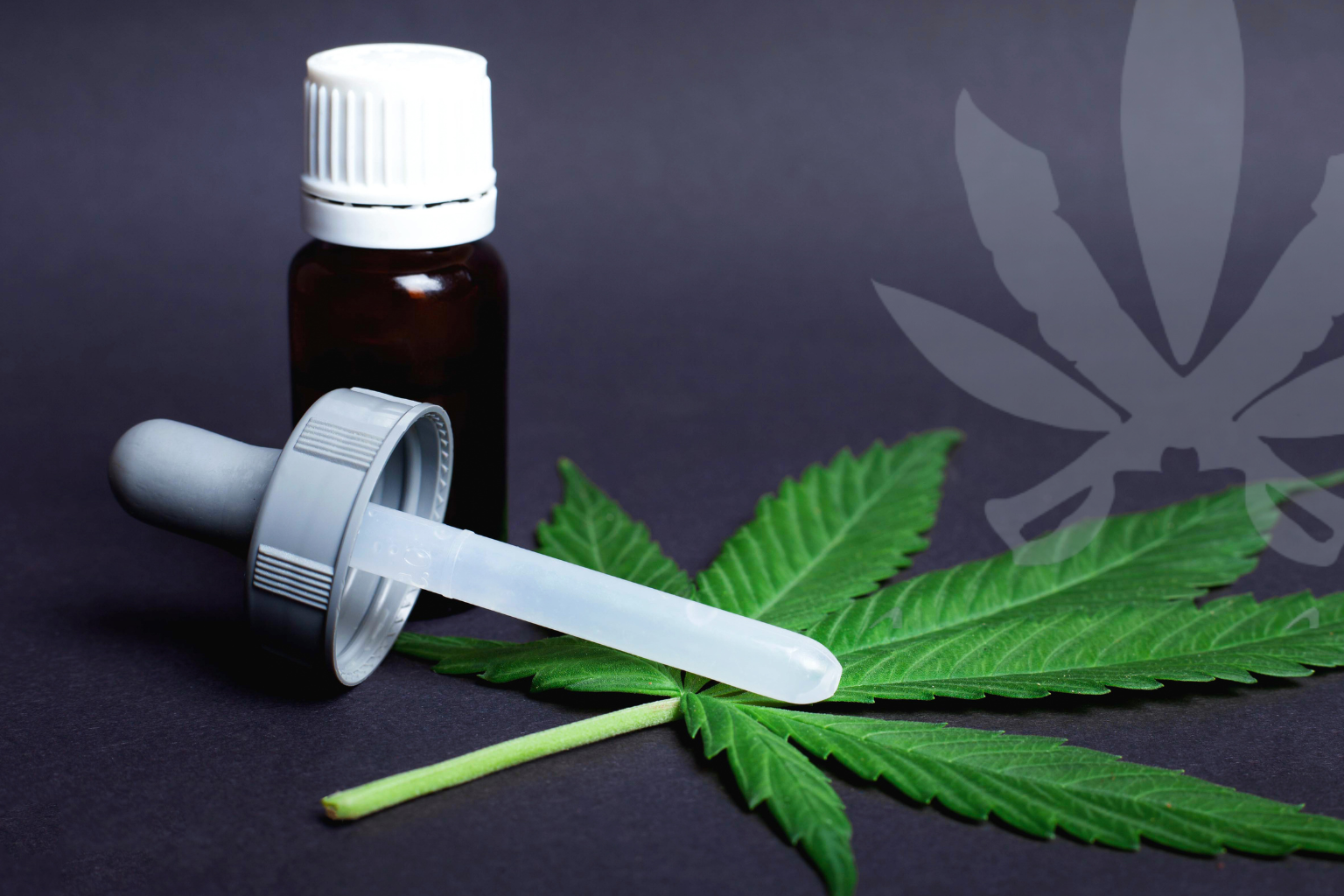
Tinctures are one of the easiest, most discreet ways to enjoy THC-A without smoking. They’re concentrated cannabis extracts typically mixed with alcohol or MCT oil.
Benefits of Tinctures
-
Fast-acting when taken sublingually (drops under the tongue).
-
Easy to measure and dose with a dropper.
-
Can be added to foods, drinks, or taken on their own.
At CannaCove, many customers combine tinctures with CBD products to balance effects and fine-tune their wellness routines. It’s a flexible method that fits everything from stress relief to sleep support.
Pro Tip: If making tinctures at home, use high-proof alcohol or food-grade MCT oil as the base. Keep in a dark glass bottle for potency and freshness.
4. Topicals: Relief You Can Feel
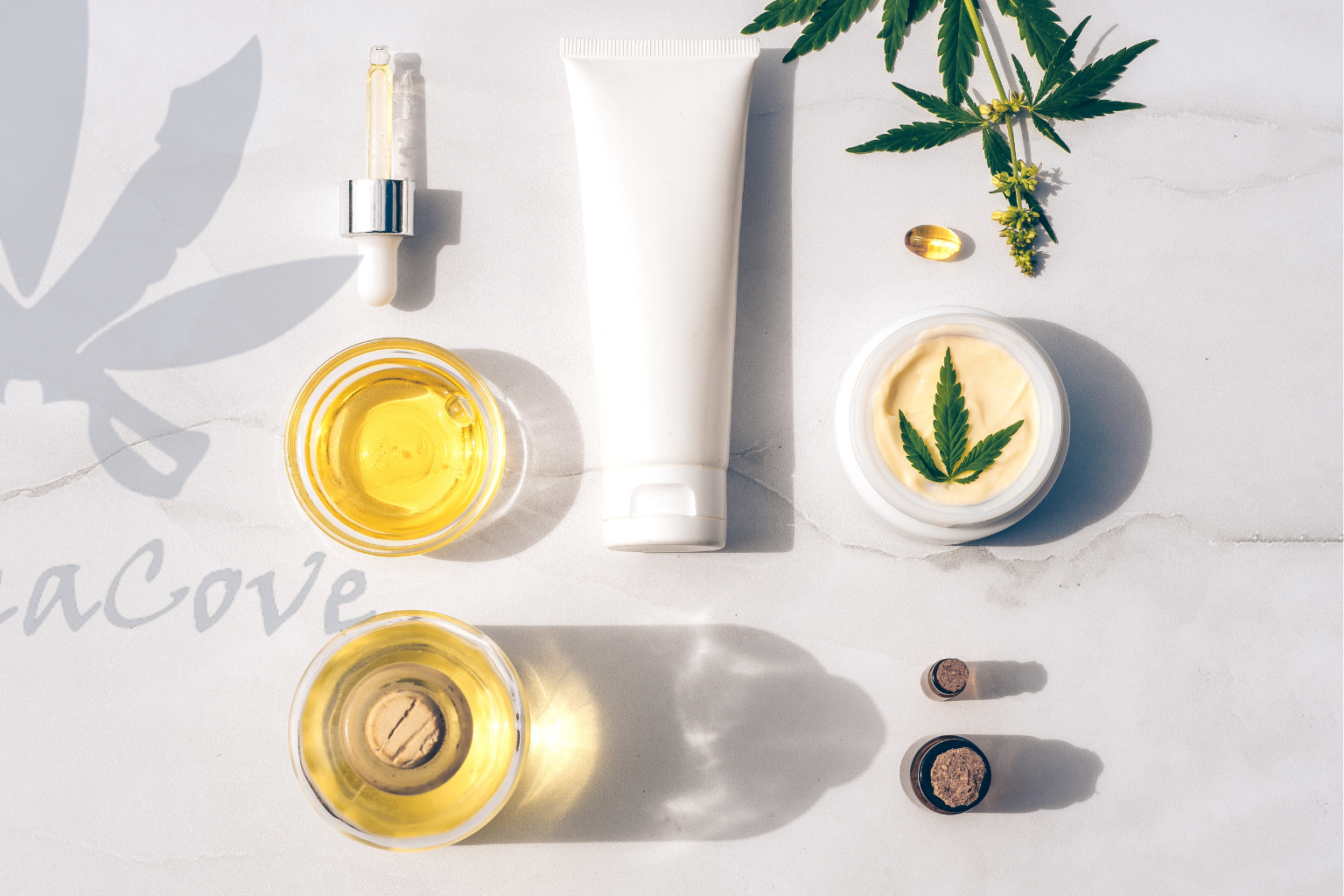
Not every cannabis experience has to be about psychoactive effects. Topicals allow you to enjoy THC-A without smoking by applying it directly to your skin. While THC-A isn’t absorbed deeply enough through skin to cause a “high,” it may still offer localized relief.
Forms of Topicals
-
Lotions and balms for muscle aches.
-
Salves and creams for hydration and skin health.
-
Bath soaks infused with THC-A for full-body relaxation.
DIY enthusiasts can infuse THC-A flower into coconut oil or shea butter, then blend it with essential oils for a homemade balm.
Topicals are especially appealing to wellness consumers who want the benefits of cannabis without ingestion or inhalation.
5. Capsules & Supplements: Precision Dosing
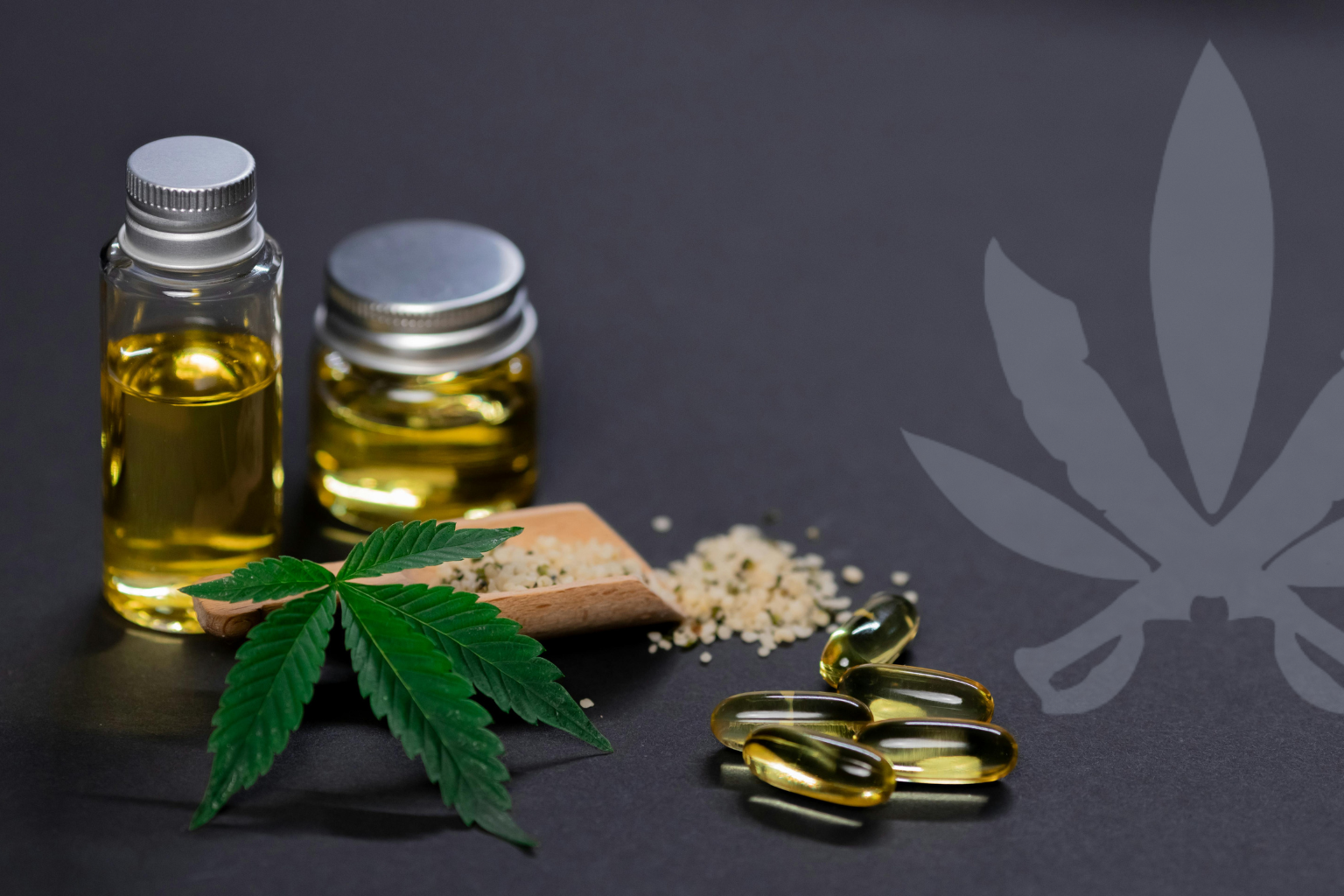
For those who prefer convenience, capsules are the ultimate solution for THC-A without smoking. Think of them as cannabis in supplement form: pre-measured, discreet, and easy to integrate into daily routines.
Benefits of Capsules
-
Precise dosing every time.
-
No taste, smell, or preparation needed.
-
Long-lasting effects that can support wellness goals.
You can even make DIY capsules at home by filling empty gel caps with infused coconut oil. While it requires careful prep, it’s a rewarding way to control exactly what goes into your supplement.
Bonus: Pairing THC-A With Other Cannabinoids
One of the most exciting parts of exploring THC-A without smoking is the ability to pair it with CBD, CBG, or Delta-8 products for unique effects. For example:
-
Mix a THC-A tincture with CBD oil for a balanced stress reliever.
-
Pair infused edibles with a CBD tea for an after-dinner ritual.
-
Add topicals into a broader wellness plan for layered support.
These combinations allow enthusiasts to customize experiences beyond what smoking alone can offer.
If you’re looking for premium flower to start your infusions or DIY projects, check out:
-
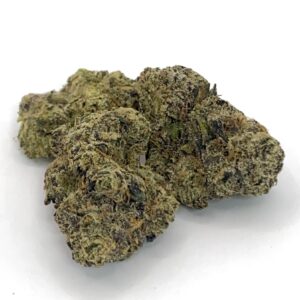
Slurpie THC-A Pre-Rolls (for grinding into infusions)
And for more education, explore our blog: Top 5 Benefits of Smoking THC-A Hemp Flower.
FAQ: THC-A Without Smoking
When it comes to cannabis, smoking has always been the most common method. But in today’s wellness-focused, innovation-driven world, more people are asking: “How can I enjoy THC-A without smoking?” Whether it’s about health, discretion, or simply wanting more variety, there are countless reasons to explore non-smoking options. Below, we’ve built a comprehensive FAQ that answers the most common questions about enjoying THC-A without smoking — from edibles to tinctures, topicals, and beyond.
Q1: Why would someone choose THC-A without smoking?
Not everyone enjoys the act of inhaling smoke, and for many, it doesn’t align with their lifestyle or wellness goals. Choosing THC-A without smoking provides an opportunity to experience cannabis in ways that feel gentler on the body, longer-lasting, and often more discreet.
-
Health Considerations: Some people want to avoid lung irritation, smoke odor, or coughing. Non-smoking options like edibles, tinctures, and capsules offer cleaner delivery methods.
-
Discretion: Carrying a tincture bottle or infused gummy is far less obvious than lighting a joint. This makes it easier for those who prefer privacy.
-
Longevity of Effects: Non-smoking methods often provide effects that last longer. For example, edibles may last 4–8 hours, while smoked flower typically peaks in 1–2 hours.
-
Customization: Alternatives give consumers creative control, from baking infused brownies to making their own topicals.
For many, it’s not about rejecting smoking entirely, but about broadening the ways they can enjoy THC-A in a way that better fits their lifestyle.
Q2: Does THC-A work the same way in edibles?
Yes and no. THC-A in its raw form is not psychoactive. For edibles to provide the classic cannabis “high,” the THC-A needs to undergo decarboxylation — a process where heat converts THC-A into Delta-9 THC.
When you smoke flower, decarboxylation happens instantly from the flame. When making edibles, you must bake or heat the flower at low temperatures first. Once decarboxylated, the cannabinoids are infused into butter, oils, or other carriers used in cooking.
The result is an edible that produces effects very similar to smoking but with important differences:
-
Slower Onset: Effects may take 30–90 minutes to begin because the THC must be digested and metabolized.
-
Longer Duration: Edibles last much longer — sometimes up to 8 hours — compared to smoked flower.
-
Different Intensity: The liver processes THC differently, converting it into 11-hydroxy-THC, which many users report feels stronger or more sedating.
This means edibles are an excellent choice for those exploring THC-A without smoking but also require mindful dosing. Beginners should start small (5–10mg) and wait before consuming more.
Q3: Are tinctures stronger than edibles?
Not necessarily. Tinctures and edibles each have unique strengths, and neither is “better” across the board.
-
Tinctures: Usually alcohol or oil-based extracts placed under the tongue. Effects are faster (15–30 minutes) because cannabinoids absorb through oral membranes. They allow more precise dosing with droppers and are very discreet.
-
Edibles: Slower to take effect but last longer. They can feel more intense due to liver metabolism.
The choice between tinctures and edibles depends on lifestyle and preference:
-
Need quick relief? Tinctures may be ideal.
-
Want a long-lasting effect? Edibles are a better fit.
Both are highly effective ways to enjoy THC-A without smoking and can even be used together for a layered approach. For instance, a tincture for quick onset and an edible for sustained duration.
Q4: Can I combine different methods?
Absolutely, and in fact, many experienced users prefer to mix methods. Combining allows you to craft a more customized cannabis journey.
-
Tincture + Beverage: A few drops of THC-A tincture in tea or lemonade makes for a social, refreshing option.
-
Edible + Topical: An infused brownie for mood support paired with a balm for sore muscles.
-
Capsule + CBD Oil: A capsule for long-lasting relief balanced with CBD for calm clarity.
This is sometimes called “layering,” where different forms work together for a balanced experience. It’s one of the most creative ways to approach THC-A without smoking, and it caters to both wellness and recreational goals.
Q5: Are non-smoking methods better for wellness?
For many consumers, yes. Wellness is one of the strongest motivators for exploring THC-A without smoking. While traditional smoking is effective, non-smoking alternatives may offer added benefits:
-
Reduced Irritation: Avoiding smoke means less exposure to potential irritants in the lungs and throat.
-
Discreet Dosing: Tinctures and capsules blend easily into daily routines.
-
Long-Lasting Relief: Edibles and capsules provide extended support for stress, sleep, or discomfort.
-
Localized Use: Topicals deliver targeted benefits without any psychoactive effects, perfect for sore muscles or skin care.
For customers seeking cannabis as part of a holistic wellness lifestyle, edibles, tinctures, topicals, and capsules offer accessible, smoke-free options.
Q6: What’s the best starting point for someone new to THC-A without smoking?
If you’re brand-new, tinctures and low-dose edibles are excellent places to start.
-
Tinctures allow you to measure precisely with a dropper. Start with a small dose under the tongue and wait to see how your body reacts.
-
Edibles should always start low. If making them at home, calculate dosage carefully. If buying pre-made, look for low-dose products (5–10mg per serving).
The key is patience. Non-smoking methods take longer to feel compared to smoking, and overconsumption is the most common beginner mistake.
Q7: How do topicals fit into THC-A without smoking?
Topicals are one of the most unique categories. Unlike edibles or tinctures, they won’t produce a “high” because cannabinoids applied to the skin don’t enter the bloodstream in psychoactive amounts. Instead, they provide localized relief.
Common uses include:
-
Balms for sore muscles after workouts.
-
Creams for dry skin or inflammation.
-
Bath salts for relaxation and stress release.
For wellness-focused customers, topicals represent a perfect way to use THC-A without smoking while still enjoying its benefits.
Q8: How can I make THC-A edibles at home?
Homemade edibles are a favorite among DIY cannabis enthusiasts. The basic steps are:
-
Decarboxylate the Flower: Bake at low heat (220°F) for 30–40 minutes.
-
Infuse Into Fat: Simmer decarbed flower in butter or oil for 2–3 hours on low heat.
-
Strain & Store: Remove plant matter, and you’re left with infused butter or oil.
-
Cook or Bake: Use in any recipe — brownies, cookies, pasta sauces, even salad dressings.
This process is easy once you know the basics, and it’s one of the most fun ways to personalize your cannabis journey.
Q9: Do non-smoking methods cost more than smoking flower?
Sometimes. Edibles and tinctures can appear more expensive up front, but the effects often last longer, meaning you may use less overall. DIY infusion with premium flower (like Pop Rox THC-A Premium Flower) can also make it more affordable while giving you creative control.
Q10: Are there risks to enjoying THC-A without smoking?
Like any cannabis method, the main risks come from overconsumption or improper preparation. With edibles, it’s easy to eat too much before effects kick in. With tinctures, dosing too high may feel overwhelming.
That’s why education, patience, and careful preparation are key. Always start small, especially when exploring THC-A without smoking for the first time.
Q11: Can I combine THC-A with CBD?
Yes, and many people do. CBD helps balance out the psychoactive effects of THC-A, creating a smoother experience. For example, pairing Slurpie THC-A Pre-Rolls with a CBD tincture can provide deeper stress relief while avoiding intensity.
Q12: Will I still get the same benefits from THC-A without smoking?
Yes. Once decarboxylated, THC-A delivers the same cannabinoids and terpenes whether it’s smoked, baked into brownies, or infused into tinctures. The difference lies in onset, duration, and intensity — not in the effectiveness of the compound itself.
Conclusion
Cannabis has always been about creativity, and with THC-A, the possibilities go far beyond rolling papers. From brownies to tinctures, from mocktails to capsules, there are endless ways to enjoy THC-A without smoking.
At CannaCove, we encourage you to experiment, explore, and find the method that fits your lifestyle. Whether you’re a DIY edible maker, a wellness enthusiast, or simply curious, there’s never been a better time to expand your cannabis journey.